Garages & campuses
Smart
Parking
Availability, routing, and access that stay accurate when traffic spikes—without manual lot counts.
- LPR optional
- Signage
- Occupancy
Fewer loops, faster exits
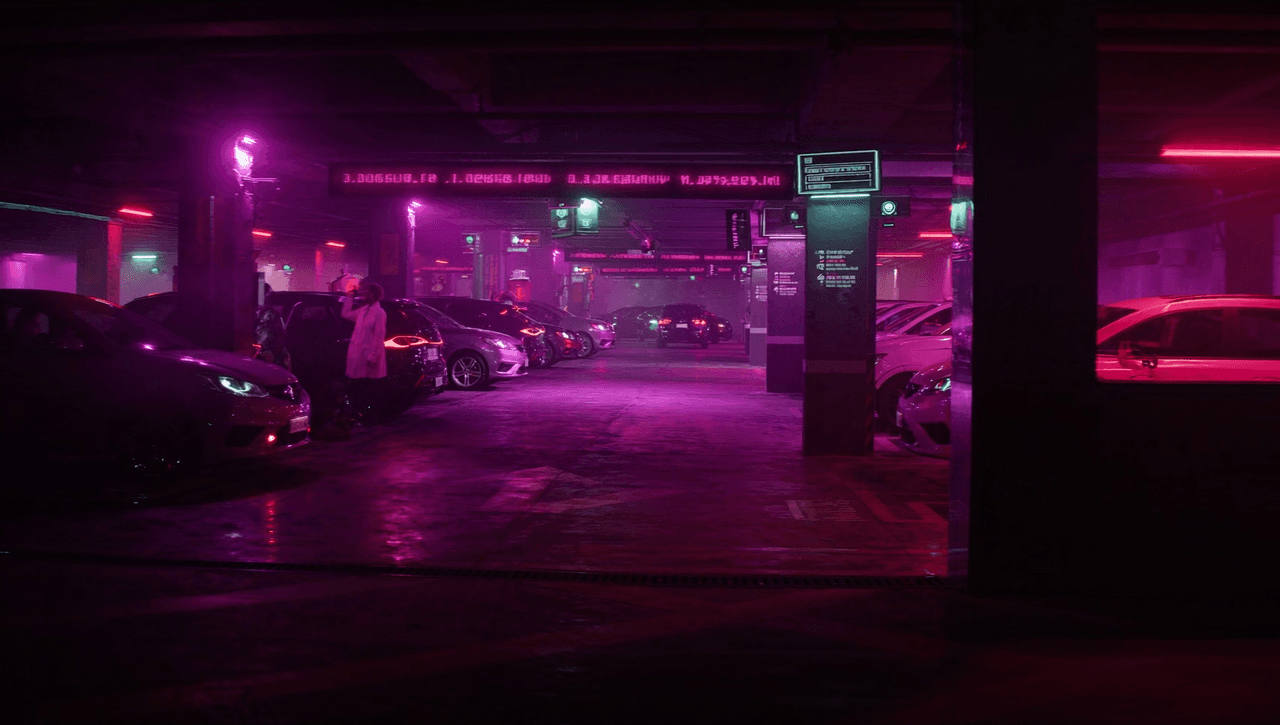
A downtown garage struggled with misleading “full” signs. Camera-backed occupancy plus dynamic signage cut unnecessary ingress attempts and improved average time-to-bay during events.
- LPR optional
- Signage
- Occupancy
94%
Bay accuracy
−18%
Search time
Live
Signage API
Drivers stopped circling the wrong levels. Revenue recovered on event nights within weeks.
Head of Parking & Mobility
Verified narrative
How we work with you
Start with one level or zone—prove accuracy, then expand coverage.
Survey
Camera coverage map
Identify occlusions, lighting, and ingress angles that affect counts.
Label
Ground-truth bays
Short labeling sprint to align model output with your bay numbering.
Integrate
Gates & signs
REST and MQTT hooks for PARCS, digital signs, and mobile apps.
Optimize
Event playbooks
Different thresholds for concerts vs. weekdays; reporting for ops.
How it works
Computer vision plus lightweight integrations—no rip-out of gates required.
Bay state detection
Per-bay occupancy with hysteresis so flicker does not hit drivers.
Routing logic
Direct vehicles to levels with capacity; fallback paths when cameras degrade.
Access hooks
Optional LPR handoff and dwell alerts for enforcement workflows.
Operator console
Override, manual bay lock, and incident notes for on-duty staff.
Garage gallery
Levels, lanes, and the signage drivers actually follow.
Deployment visuals
Next step
Open more bays with clarity
Share a floor plan and a sample stream—we will return a coverage and accuracy plan.
Typical working session
- Integration surfaces & security posture
- Latency, accuracy, and ops constraints
- Pilot scope and success criteria
No generic deck—technical stakeholders welcome.
Explore further